
Want to teach English in Poland? The best savings in Europe, motivated students, and beautiful cities. Here’s the complete guide to making it happen.
Nobody puts Poland at the top of their teach abroad wish list.
And then everyone who goes there says the same thing: I didn’t expect to love it this much.
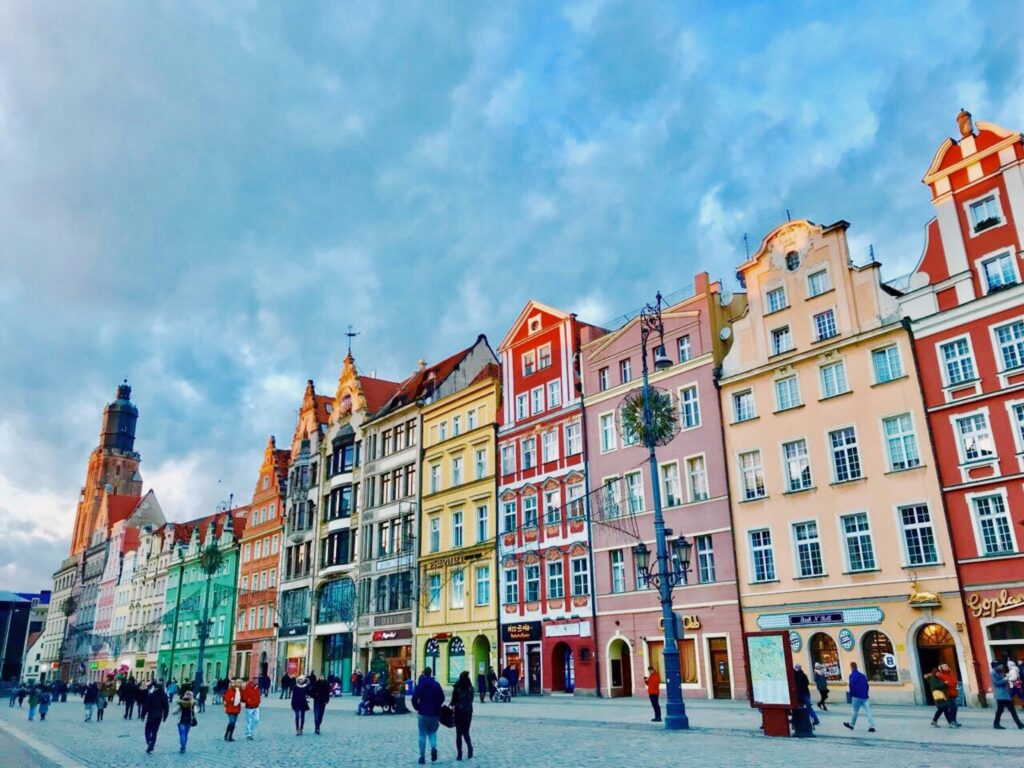
Wrocław’s Market Square — one of the most beautiful city squares in Europe, and one of Poland’s most underrated teaching bases.
Teaching English in Poland offers the best salary-to-cost-of-living ratio in Europe — and that’s not a minor distinction. English teachers earn $1,100–$1,900 per month while living comfortably on $700–$1,000. The math works out to $300–$700 in monthly savings, which means $3,600–$8,400 banked over a year of living in the heart of Europe. No other European destination comes close.
The cities are beautiful, the students are genuinely motivated, and the country is radically underrated as a base for weekend travel across Central Europe.
This guide covers everything — cities, salary, visa, daily life, and why teachers who almost didn’t choose Poland are consistently glad they did.
If you’re comparing Poland to other options, see our full comparison of the best countries to teach abroad and our [INTERNAL LINK: /teach-english-in-prague-czech-republic — “guide to teaching in Prague”] — Poland’s closest competitor for the best-value-in-Europe title.
Why Do Teachers Love Teaching English in Poland?
The single biggest surprise for most teachers in Poland is the students — and it shapes the entire experience. Polish learners of English are motivated, well-educated, and genuinely engaged in a way that isn’t universal across teaching abroad destinations.
Poland’s EU membership has created real demand for English proficiency — for career advancement, for travel, for business. Your students actually want to be there. That makes a bigger difference to your daily experience than almost any other factor.
Beyond the students, the cities themselves are extraordinary. Kraków’s medieval Old Town — a UNESCO World Heritage Site since 1978 — is one of the most beautiful city centers in Europe. Warsaw’s rebuilt city center tells one of history’s most remarkable stories. Wrocław, Gdańsk, and Poznań each have a distinct character that rewards teachers who choose them over the more obvious capitals.
Where Should You Teach English in Poland?
Poland has four main teaching markets, each with a different character and cost of living.
Warsaw is Poland’s capital and economic hub — the largest English-teaching market in the country, with the strongest demand for Business English. Corporate clients, law firms, and financial institutions drive a market that pays at the higher end of the Polish salary range. Warsaw is modern, fast-paced, and well-connected internationally, with direct flights to most European cities. The cost of living is the highest in Poland, but it’s still dramatically lower than in Western Europe.
Kraków is Poland’s cultural capital and the city most teachers fall hardest for. A stunning medieval Old Town, a thriving university scene, a growing private language school market, and a cost of living significantly lower than Warsaw. According to Numbeo’s Kraków cost of living index, monthly expenses for a comfortable lifestyle range from $700 to $900 — making it the sweet spot of affordability and quality of life in Poland.
Wrocław, Poznań, and Gdańsk are smaller cities with emerging English teaching markets and the lowest cost of living in Poland. Each has its own distinct character — Wrocław for its architecture, Gdańsk for its Baltic coast position, Poznań for its central location and trade fair culture. Teachers who choose these cities report a more immersive, community-oriented experience with less competition for students and positions.
| City | Job Market | Monthly Cost | Best For |
|---|---|---|---|
| Warsaw | Strongest — Business English | $900–$1,200 | Savings + corporate teaching |
| Kraków | Strong — language schools + university | $700–$900 | Quality of life |
| Wrocław/Poznań/Gdańsk | Moderate — growing | $600–$800 | Immersion + affordability |
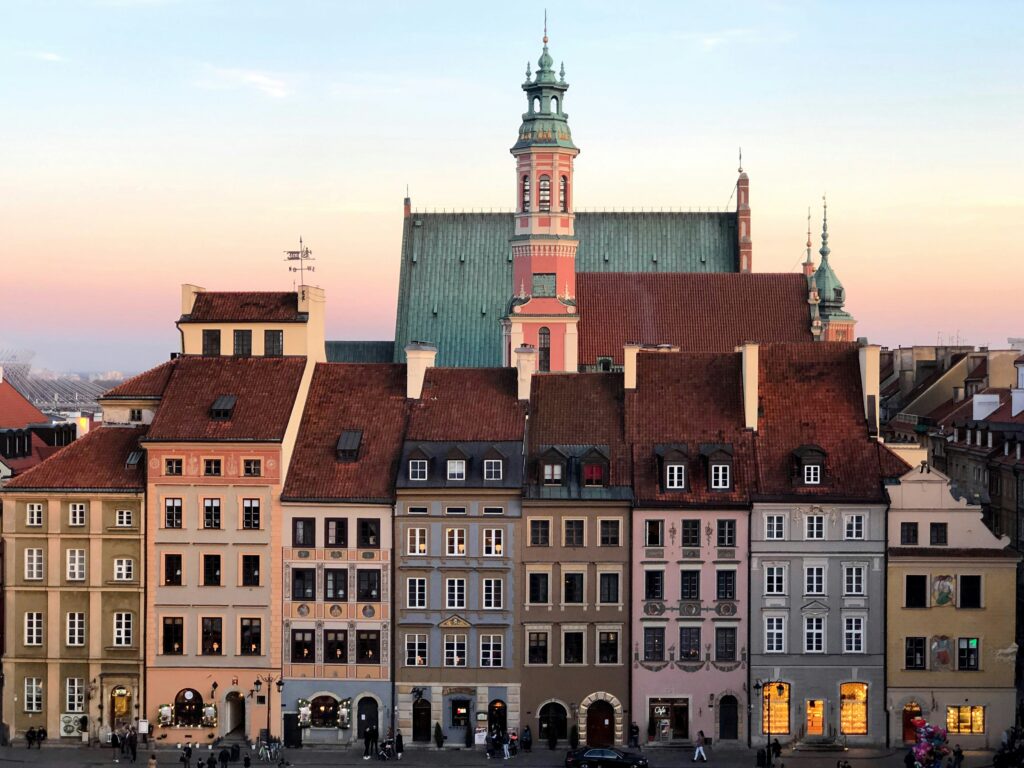
Warsaw’s Old Town was almost completely destroyed in WWII and rebuilt from scratch. That history is part of what makes living there extraordinary.
What Do English Teachers Earn in Poland?
English teachers in Poland earn PLN 4,000–8,000 per month ($1,100–$1,900 USD, depending on the exchange rate), with significant variation by employer type and city.
Language school teachers at established chains like English First and Berlitz Poland, as well as at independent schools, earn in the mid-range. Private tutoring — which many teachers build up over time — pays significantly more per hour and can supplement a school salary substantially. Business English trainers working with corporate clients in Warsaw earn at the top of the range.
The cost-of-living context is what makes these numbers exceptional in Europe. A sample monthly budget in Warsaw: rent in a shared flat runs $400–$550, food and groceries $180–$250, a monthly transport pass around $30, dining out and social activities $100–$180, and a weekend travel budget of $80–$150. Total: $800–$1,200 per month.
At a salary of $1,500 per month, you can realistically save $300–$700 monthly — $3,600–$8,400 over a year. No other European teaching destination offers this combination of livable cities and genuine savings potential.
What Qualifications Do You Need to Teach English in Poland?
Most language school positions in Poland require a TEFL certificate of at least 120 hours and a bachelor’s degree, though some private schools are more flexible than those in Western Europe — particularly for younger learner positions and smaller independent schools.
The CELTA — Certificate in English Language Teaching to Adults, issued by Cambridge Assessment English, carries the most weight with competitive employers and corporate language schools. A TEFL certificate from a recognized provider, such as TEFL Worldwide Prague or International TEFL Academy, opens doors at most language schools.
Unlike government programs in South Korea or Japan, there is no centralized application process for teaching in Poland. You find positions independently through language school websites, job boards like ESLcafe, and LinkedIn. Applications typically run on a rolling basis, and schools hire throughout the year — though September and January are the busiest intake periods, mirroring the academic calendar.
The Poland Work Visa: What You Need to Know
Non-EU citizens need a Polish national visa — specifically a Type D visa — to work legally as English teachers in Poland. The good news: Polish employers are generally experienced with foreign teacher visa applications, and most handle the work permit process on your behalf.
The key documents required include your employment contract, apostilled educational qualifications (your degree and TEFL certificate authenticated by your state’s Secretary of State or national equivalent), financial proof, and accommodation confirmation. You apply at your nearest Polish consulate before departure.
EU citizens have a significant advantage — no work permit is required, and you can be hired immediately. If you’re an EU citizen weighing Poland against other European options, the combination of easy entry and strong savings potential makes it particularly compelling.
What Does Daily Life Actually Look Like When You Teach English in Poland?
Daily life in Poland as an English teacher is more comfortable and culturally rich than most people expect — and the gap between expectation and reality is part of what makes teachers fall for the country.
Polish cities have excellent public transport, a thriving café culture, and a restaurant and bar scene that punches well above its price point. Dinner out at a good restaurant in Kraków costs $10–$15. A beer in a bar in Warsaw’s Old Town costs $2–$3. The social life available to foreign teachers — through language schools, expat Facebook groups, and the established foreign teacher community — is genuinely active.
The winter is real and worth acknowledging honestly. Polish winters run from November through February and can be grey, cold, and relentlessly dark. If you’re sensitive to seasonal affective disorder — the mood disruption triggered by reduced winter sunlight — invest in a light therapy lamp before you arrive. Budget flights from Warsaw or Kraków to Spain or Italy regularly run under $60 return during winter, and most experienced Polish teachers build at least one southern escape into their schedule.
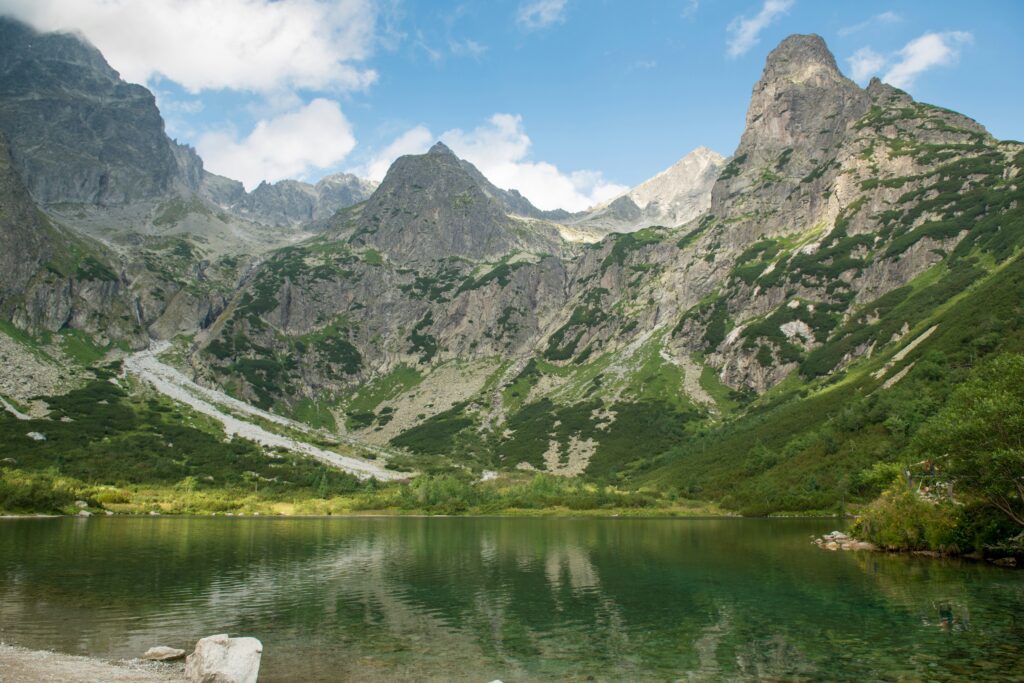
The Tatra Mountains near Zakopane — two hours from Kraków and one of the best weekend trips in Central Europe.
Weekend Travel From Poland: Central Europe at Your Doorstep
Poland’s central European location makes it one of the best travel bases on the continent — and this is consistently one of the things teachers appreciate most about being based there.
Kraków to Prague is 4.5 hours by bus or train — one of Central Europe’s great city pairs. Warsaw connects directly to Berlin (5.5 hours by train), Vienna (7 hours), and Budapest (8 hours). Low-cost carriers like Ryanair and Wizz Air connect Polish airports to destinations across Europe for as little as $15–$40 each way, according to fare data from Google Flights.
Within Poland, the country rewards exploration. The Tatra Mountains near Zakopane — a two-hour drive from Kraków — offer hiking, skiing, and one of Poland’s most distinctive regional cultures. The Mazury Lake District in northern Poland is extraordinary in summer. Gdańsk on the Baltic coast is a stunning weekend trip from Warsaw.
For US teachers specifically, sorting out your leave of absence before you commit to Poland is the step that protects your career. Our guide on taking a leave of absence from your US teaching job explains exactly how to approach that conversation with your district.
FAQs: Teaching English in Poland
Q: How much do English teachers earn in Poland?
A: English teachers in Poland earn approximately PLN 4,000–8,000 per month ($1,100–$1,900 USD). Language school salaries are mid-range; Business English trainers working with corporate clients in Warsaw earn at the top. Monthly living costs range from $700 to $1,200, making Poland the best savings destination in Europe for English teachers.
Q: Do I need a TEFL certificate to teach English in Poland?
A: Most language school positions require a TEFL certificate of at least 120 hours plus a bachelor’s degree. The CELTA — issued by Cambridge Assessment English — is the most recognized certification with competitive employers. Some smaller independent schools are more flexible, particularly for younger learner positions.
Q: Is Poland a good place to teach English in Europe?
A: Poland is arguably the best-value teaching destination in Europe. The salary-to-cost-of-living ratio is better than in Spain, Italy, or the Czech Republic. Students are motivated and engaged. Cities like Kraków and Warsaw are genuinely beautiful. And Poland’s central location makes weekend travel across Central Europe easy and affordable.
Q: What cities are best for teaching English in Poland?
A: Warsaw has the largest job market and the strongest Business English demand. Kraków offers the best quality of life at a lower cost. Wrocław, Poznań, and Gdańsk are smaller cities with lower costs and a more immersive experience. Most first-time teachers in Poland choose Warsaw or Kraków.
Q: How does teaching English in Poland compare to teaching in Prague?
A: Both are excellent Central European options. Poland generally offers better savings potential — costs are lower, and salaries are comparable. Prague has a slightly more established expat teacher community and a stronger TEFL-only entry (degree requirements are sometimes more flexible). Both cities are extraordinary bases for weekend travel.
Is Poland the Right Move for You?
Poland is the right choice if savings matter, if you want motivated students, and if you want to live in a beautiful European city without paying Western European prices. It’s one of the most underrated decisions a teacher can make — and the teachers who make it consistently say so.
The Teach in Europe Guide covers Poland in depth alongside six other European countries — salary data, visa details, city comparisons, and job search strategy in one place.
Get the Teach in Europe Guide →
Not ready for the full guide? Start with the free checklist.