Teach English in South Korea through EPIK, a government program offering free housing, a flight bonus, and full severance pay. Here’s how it works.
South Korea attracts more first-time English teachers than any other country, and EPIK is the reason.
You can teach English in South Korea through EPIK, a government-run initiative that places native English speakers in public schools with one of the strongest support packages in teach-abroad work. A competitive salary, free housing, a flight bonus, and a built-in structure for first-timers combine into something genuinely hard to beat.
Here’s what the program actually includes, what it takes to qualify, and how the numbers really work.

Busan’s Haedong Yonggungsa Temple — one of many reasons Korea’s coastline is a favorite for EPIK teachers on their days off.
How Do You Teach English in South Korea Through EPIK?
EPIK stands for English Program in Korea, and it places native English speakers as assistant teachers in South Korean public schools. You’ll co-teach with a Korean English teacher, leading conversation practice, pronunciation drills, and cultural exchange activities rather than running the classroom solo.
Placements happen in cities and towns across the country. Your weekly schedule runs roughly 22 classes, split between elementary, middle, or high school, depending on your assignment.
If you’re comparing this to a similar Asian program, our comparison of the best countries to teach abroad covers how Korea stacks up against Taiwan and Japan.
What Does the EPIK Package Actually Include?
Your school or local education office provides a free, furnished one-bedroom apartment. Round-trip airfare is reimbursed upon arrival, and once your contract ends, you’ll also receive a full month’s salary as severance, a standard requirement under Korean labor law.
Additionally, vacation runs 18 to 26 paid days per year, in addition to Korean national holidays. National health insurance covers you, too, and your employer pays half the premium.
Salary
Pay is standardized by qualification level, not negotiated individually. A TEFL certificate or teaching experience moves you up a tier and directly increases your monthly rate.
Housing
Your school or local education office provides a free, furnished one-bedroom apartment. Size and location vary by region, but the cost to you is zero.
Flight Reimbursement and Severance
Round-trip airfare gets reimbursed after you arrive. Once your contract ends, you’ll also receive a full month’s salary as severance, a standard requirement under Korean labor law.
Vacation and Health Insurance
Vacation runs from 18 to 26 paid days per year, in addition to Korean national holidays. National health insurance covers you too, split 50/50 between you and your employer.
| Benefit | What You Get |
|---|---|
| Salary | ₩2.1M-₩2.8M/month (~$1,600-$2,100) |
| Housing | Free furnished apartment |
| Flight | Round-trip airfare reimbursed |
| Severance | One month’s salary at contract end |
| Vacation | 18-26 paid days + national holidays |
| Health insurance | 50% employer-covered |

City life in Busan — one of the many placement options for EPIK teachers beyond Seoul.
Who Qualifies to Teach English in South Korea With EPIK?
Eligibility centers on nationality, education, and a clean background check, not teaching experience. Most applicants are surprised by how accessible the baseline requirements actually are.
Nationality and Education
You’ll need a bachelor’s degree from an accredited university and citizenship in one of seven designated countries: the U.S., U.K., Canada, Australia, New Zealand, Ireland, or South Africa.
Background Check and Certification
First, you’ll need to pass a national-level background check, meaning an FBI check for U.S. citizens. Additionally, a teaching license isn’t mandatory, but most provinces no longer hire applicants without a 100-hour or longer TEFL certificate, so it’s effectively required.
For teachers weighing whether EPIK is a good fit without a formal teaching background, our guide to teaching abroad with no experience covers exactly this question across several programs, including EPIK.
When Should You Apply for EPIK?
EPIK runs two intake periods each year, and applications open several months before either start date. Timing your application right meaningfully affects your placement options.
Spring Intake
Spring intake begins around late February. Applications open in September or October of the previous year and close around November.
Fall Intake
Fall intake starts in late August. That application window opens around March or April and closes around May.
EPIK processes applications on a rolling basis, so submitting early genuinely improves your odds of a preferred placement. Expect the full process, from application to arrival in Korea, to take four to six months. An interview, usually via video call, follows your initial application, followed by document submission and your final placement assignment.
How Much Can You Actually Save with EPIK?
Korea’s combination of solid pay and zero housing costs makes it one of the strongest savings destinations in teach-abroad work. Most EPIK teachers save $800 to $1,500 per month without cutting back on lifestyle, according to figures widely reported across EPIK application guides and teacher accounts.
Over a full one-year contract, that adds up to $10,000-$18,000 in savings. Teachers who take on approved private tutoring on the side can push that figure even higher.
Curious how that compares to other regions entirely? Our teaching abroad salary comparison breaks down savings potential across Europe, Asia, and the Middle East.
What’s Daily Life Like in South Korea?
Korea consistently ranks among the safest, most convenient countries for foreign teachers, though the cultural adjustment runs deeper than people expect. For instance, public transit is extensive and reliable, food is excellent and affordable, and many teachers arrive already drawn in by Korean pop culture and entertainment.
However, a genuinely different social structure sits underneath that familiarity. Hierarchy, workplace relationships, and personal space all follow norms that differ from what most Western teachers know. Still, picking up basic Korean early makes daily life considerably smoother, and locals respond warmly to the effort.
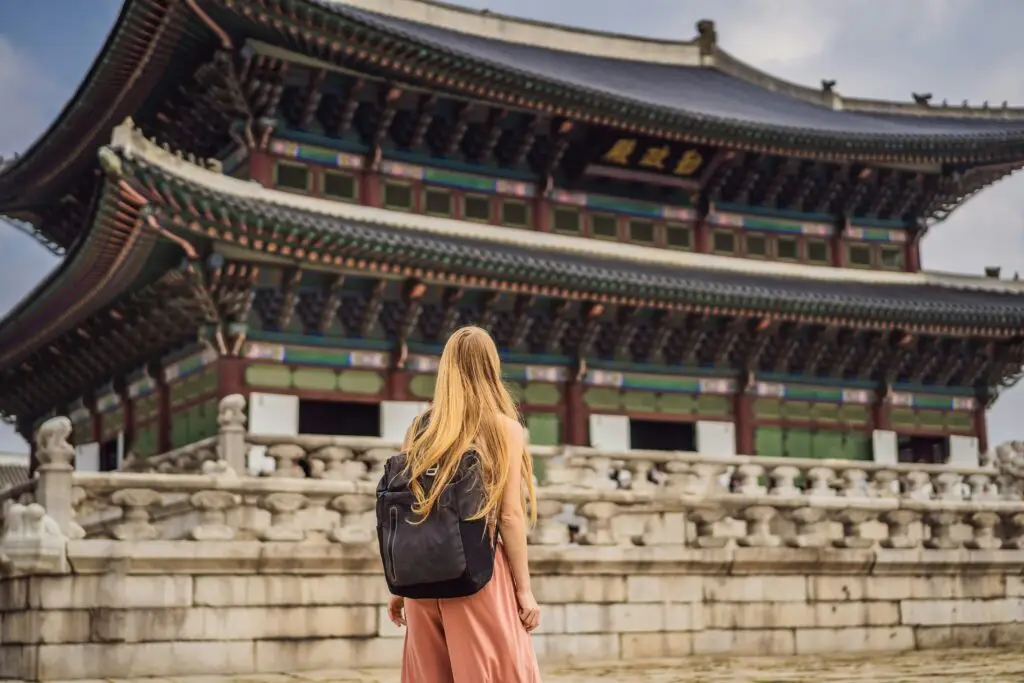
Gyeongbokgung Palace in Seoul — one of the countless landmarks EPIK teachers can explore on weekends and school breaks.
FAQs: Teaching English in South Korea With EPIK
Q: Do you need teaching experience to apply for EPIK?
A: No, teaching experience isn’t required. A bachelor’s degree, the right nationality, and a TEFL certificate matter more than prior classroom time.
Q: How much does EPIK actually pay after housing is factored in?
A: With free housing included, most teachers save $800-$1,500 per month on a salary of roughly $1,600-$2,100. That’s a meaningfully different picture than the raw salary number suggests.
Q: Can you choose your placement location with EPIK?
A: Not entirely. You can indicate preferences, but final placement depends on regional need. Applying early tends to improve your odds of an urban assignment.
Q: Is a TEFL certificate required for EPIK?
A: Not officially, but in practice, most provinces no longer hire applicants without one. A 100-hour TEFL certificate is effectively the real minimum.
Q: How long does the EPIK application process take?
A: Plan on four to six months from initial application to arrival in Korea. Document gathering, especially apostilled paperwork, is usually the slowest part.
Getting Started
EPIK remains one of the most accessible, well-supported ways to teach English in South Korea, especially if you’re going in without prior classroom experience.
Start with our free Teach Abroad Starter Checklist to map out your timeline, or dive into the Ultimate Teach Abroad Toolkit for a full comparison of every major program.