
Thinking about teaching abroad with family or a partner? Here’s how couples, kids, housing, and visas actually work in real life.
Teaching Abroad Isn’t Just for Solo Twenty-Somethings
Thousands of teachers move abroad every year with partners, spouses, and children. Teaching abroad with family takes more planning than going solo — especially if you’re doing this as a leave of absence rather than a permanent move — but it’s absolutely doable, and many families call it the best decision they ever made.
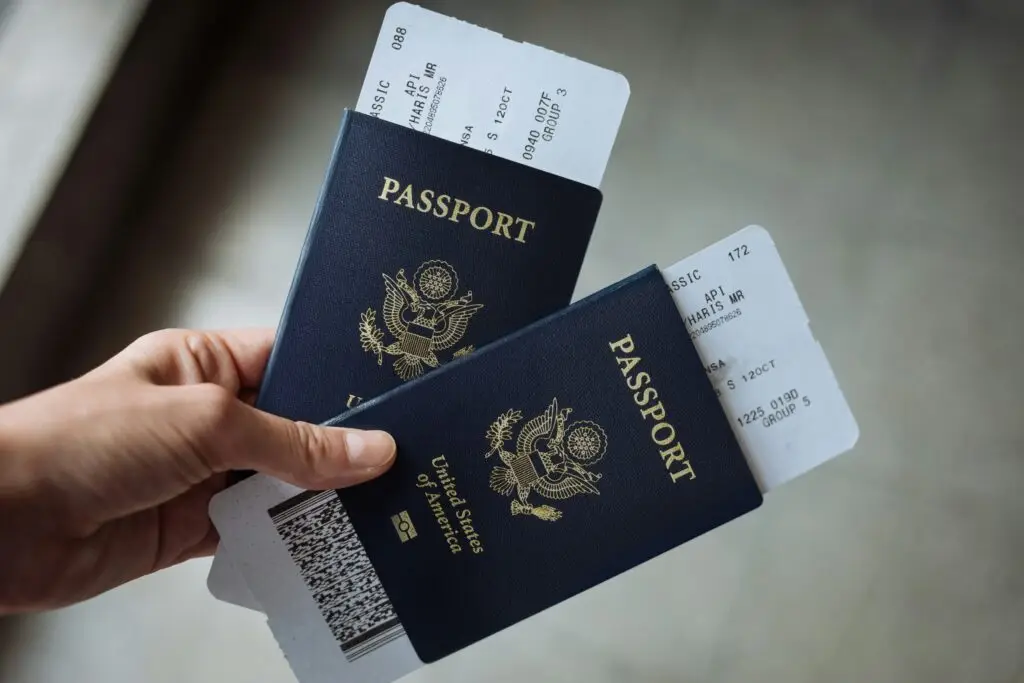
Two passports, one plan — this is what teaching abroad with a partner actually looks like on paper.
The Partner Question
The biggest concern most couples have: what happens to the non-teaching partner’s career? Here’s how the common scenarios actually play out.
Both partners are teachers. This is the easiest path. Many international schools actively recruit teaching couples, and schools in the UAE, South Korea, and large international schools across Europe often have openings built for two. Whether an international school or a language school is the better fit significantly affects this scenario, since language schools rarely have the infrastructure to hire and support two teachers simultaneously.
One partner teaches, the other works remotely. Increasingly common. If your partner can work remotely, they can often join you on a dependent visa — but check your target country’s specific rules on dependent work authorization before you commit.
One partner teaches, the other doesn’t work. This calls for honest financial planning. Can you live on one teaching salary? In many countries, yes—especially where housing is included in the package.
Comparison: Partner Scenarios at a Glance
| Scenario | Main Consideration | Visa Path |
|---|---|---|
| Both partners teach | Easiest path; many schools recruit teaching couples | Both on work visas |
| Partner works remotely | Confirm dependent visa allows remote work | Dependent visa, varies by country |
| The partner doesn’t work | Requires honest budgeting on one salary | Dependent visa |

When it’s not just you making the move, the planning looks different — but the payoff is the same.
Teaching Abroad With Children
Many international schools offer tuition discounts or free enrollment for teachers’ kids — a benefit that can be worth tens of thousands of dollars a year.
Consider your children’s ages and needs. Younger kids tend to adapt faster to international school environments, while older kids may worry more about leaving friends and activities behind.
Family healthcare access matters too. Confirm your employment package includes family health insurance, or budget for a separate family expat policy if it doesn’t.
The biggest mistake families make is assuming a package built for a solo teacher automatically scales to a family of four — confirm every detail in writing before you sign.
Practical Considerations for Housing and Community
Housing needs shift with a family. A free studio that works fine for a solo teacher won’t work for four people, so confirm your actual housing arrangement in the contract, not just verbally.
Research your target city’s family-friendliness — parks, safety, and community vary widely by location, and some cities are simply easier for families than others.
International school communities often become your built-in social network. Families connect fast through school events, playdates, and the shared experience of navigating a new country together.
FAQs: Teaching Abroad With a Family or Partner
Q: Can my partner work remotely while I teach abroad?
A: Often, yes — many countries allow remote work under a dependent visa, but rules vary significantly by country. Confirm your target country’s specific dependent work authorization policy before committing.
Q: Do international schools offer discounts for teachers’ children?
A: Many do, often full tuition waivers or significant discounts, which can be worth tens of thousands of dollars annually. Confirm this benefit directly with your prospective school before signing.
Q: Can a family live on one teaching salary abroad?
A: In many countries, yes — especially when housing is included in your package. It depends heavily on the country’s cost of living and your specific contract terms.
Q: Is teaching abroad hard on kids?
A: It varies by age. Younger children generally adapt quickly to international school environments, while older kids may need more support as they leave friends and routines behind.

This is what “teaching abroad with kids” actually looks like — new city, same family joy.
Is Teaching Abroad With Family Right for You?
Teaching abroad with a partner or kids means more moving pieces — visas, schooling, housing, healthcare — but none of it is a dealbreaker. Confirm the details in writing, lean on your future school’s family support, and the adjustment gets much easier.
If you’re mapping out the full process, the Ultimate Toolkit covers phase-by-phase planning, including family logistics, and the free checklist is a good starting point for what to confirm before you sign anything. For everything else you’re wondering about, the Teaching Abroad FAQs covers the broader questions this post doesn’t.