
Most teachers overpack or underpack. It is hard to know what to bring and what to leave behind when are packing to teach abroad.
I moved to Prague in August with a suitcase full of summer clothes, a few transitional layers, and absolutely zero preparation for a Central European winter. By November, I was layering up and searching for a winter coat at HnM because I had not packed a single thing that could handle minus ten degrees.
Packing to teach abroad is not like packing for a vacation. You are not gone for two weeks — you might be gone for a year or more. You need clothes for the classroom, weekend travel, cold winters, and everything in between, all while fitting your life into manageable luggage.
This post covers what to pack to teach abroad — organized by category, with the products I actually recommend — so you can stop guessing and start packing with confidence.
This post contains affiliate links. If you purchase through my links, I may earn a small commission at no extra cost to you. I only recommend products I genuinely think are worth it.
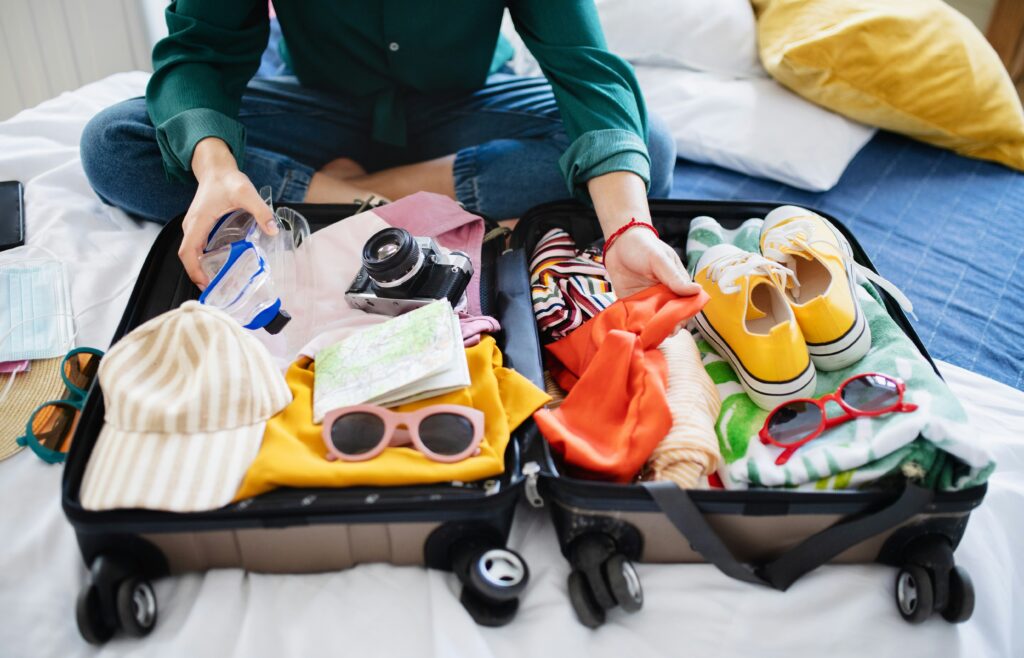
Packing for a teaching abroad placement is not like packing for a vacation. Here is everything you actually need.
Before You Pack: Two Decisions That Will Make Packing Easier
Your packing strategy depends on two things before you touch a single item.
First, how long are you going? A semester placement and a full year abroad require very different approaches. For a year-long placement, versatile clothing and a packing strategy that accounts for all four seasons are essential — even if you arrive in summer.
Second, carry-on only or checked luggage? If you are teaching in Europe, this matters enormously. Budget airlines like Ryanair and EasyJet charge for checked bags and have strict size limits. Many experienced teachers swear by carry-on only: no baggage fees, nothing to lose, faster through airports. A 40L travel backpack fits most budget airline requirements and handles weekend travel once you are settled.
The Bags: Your Most Important Investment
Getting your luggage right is the single most impactful packing decision you will make.
Main Travel Backpack (40-45L)
For carry-on-only travelers, a 40-45L travel backpack is the sweet spot. It fits most budget airline requirements, holds more than you think when packed with cubes, and is far easier than dragging a rolling suitcase through cobblestone streets in Prague or Rome.
Look for a clamshell opening (opens like a suitcase), a padded laptop sleeve, and comfortable shoulder straps with a hip belt for long travel days.
Packing Cubes — Non-Negotiable
Packing cubes are not optional. They compress your clothes, keep everything organized by category, and mean you never unpack everything to find one item. The BAGAIL 6-Set Compression Packing Cubes are Amazon’s Choice for good reason — 4.5 stars with over 26,000 reviews and currently under $20. Get a set that includes different sizes: large for clothes, medium for layers, small for accessories.
Packable Daypack
Once you are settled in your city you need a smaller bag for daily commuting and weekend day trips. A packable daypack folds flat and takes up almost no space in your main bag — essential for teachers who travel carry-on only.
Checked Suitcase (year-long moves only)
If you are moving abroad for a full year, a durable 25-inch spinner suitcase gives you room for clothing, teaching supplies, and the comforts of home you cannot find abroad. For anything shorter, carry-on only is almost always the right call.
Travelers Choice durable suitcase
Clothing: What Actually Works in a Classroom Abroad
Pack for all four seasons — even if you arrive in summer. This is the mistake most teachers make.
I arrived in Prague in August in linen and sandals. Beautiful. By November I was miserable. Central European winters are genuinely cold, and you will not have time to shop once the school year hits full stride. Pack at least one serious winter layer before you leave.
For the Classroom
Your standard is business casual — the specifics vary by country and school, but professional is always safer than casual, especially in your first weeks.
- 3-4 pairs of dress pants or professional trousers (dark colors show less wear)
- 4-5 blouses or professional tops
- 1-2 blazers or cardigans — layers are essential in poorly heated European schools
- Comfortable professional shoes — you are on your feet all day. This is not where you cut corners.
- 1-2 dresses or skirts if that is your style
For Weekends and Travel
- 3-4 casual tops
- 2 pairs of jeans or casual pants
- 1 pair of leggings — doubles as pajamas and plane wear
- 1 lightweight packable jacket
- 1 serious warm layer — fleece or down jacket for winter. Do not skip this even if you arrive in summer.
- Comfortable walking shoes — you will walk more than you have ever walked
- Sandals for warmer months and beach weekends
Packing Tips
Choose a neutral color palette so everything mixes and matches. Opt for wrinkle-resistant fabrics — you will not be ironing much. And leave room in your bag to bring things home. You will shop abroad.
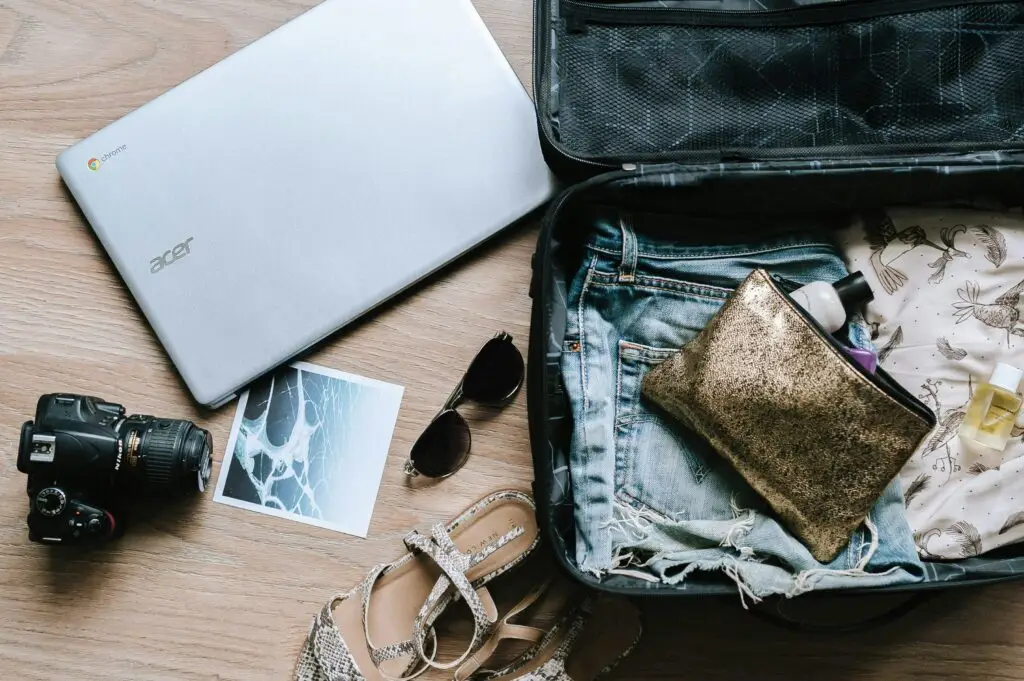
Tech, toiletries, and the right shoes — getting your teach abroad packing list right makes everything easier once you land.
Tech and Electronics to Pack for Teaching Abroad
Three tech items are non-negotiable. Everything else is optional.
Universal Travel Adapter
This is the item people forget and desperately need on day one. Europe uses Type C and Type F outlets — your US plugs will not work without an adapter. Get a universal one that covers multiple regions so it works wherever your weekends take you.
Portable Charger with Built-In Cables
When you are navigating a new city with Google Maps running all day, your phone battery does not stand a chance. The Charmast Portable Charger with Built-In Cables is a teacher abroad staple — compact, charges your phone twice, and the built-in cables mean one less thing to lose.
Apple AirTag — The One Teachers Forget
Put an AirTag in your checked bag before every flight. Moving abroad with everything you own in one suitcase and losing it at a connecting airport is not a hypothetical — it happens. AirTags let you track your luggage in real time so you always know where your belongings are.
Laptop — or iPad with Keyboard
Your lifeline for lesson planning, video calls home, and Netflix on Sunday evenings. Make sure yours is in good shape before you leave — getting it repaired abroad is a headache.
If you would rather travel lighter, an iPad with a Bluetooth keyboard is an excellent substitute. It handles lesson planning, Google Docs, video calls, and streaming without the weight and bulk of a full laptop — and takes up significantly less space in your carry-on. Many teachers abroad prefer it for exactly that reason.
Noise-Canceling Headphones
Worth every penny for long flights, noisy apartments, and Sunday afternoon lesson planning sessions. Also essential for the inevitable 6 am airport departure for a weekend trip.
Beats noise cancelling headphones
Compression Socks for Long Haul Flights
If you are flying internationally to your placement — 10+ hours to Korea, Japan, or a transatlantic flight to Europe — compression socks are not optional. The Physix Gear Sport Compression Socks are highly rated on Amazon and make a genuine difference on long-haul flights by boosting circulation and reducing swelling.
Travel Neck Pillow for Long Haul Flights
The Cabeau Evolution S3 Travel Neck Pillow is the one consistently recommended by teachers who do long haul flights regularly. Memory foam, 360 degree support, seat straps that keep it in place, and a travel case included. Under $40 on Amazon.
Cabeau Evolution S3 Travel Pillow
Health, Wellness, and Personal Care Items to Pack to Teach Abroad
Medications are the category most teachers underestimate — and the hardest to fix once you are abroad.
Prescriptions — Bring More Than You Think
Getting a US prescription filled abroad is complicated and sometimes impossible. Bring a minimum three-month supply of anything you take regularly. Check the rules for bringing prescription medications into your destination country before you pack — some countries have restrictions on specific medications.
Basic OTC Medications to Pack
- Pain reliever and fever reducer
- Antihistamine
- Antidiarrheal — dietary adjustment in a new country is real, no shame
- Cold and flu medication
- Bandages and antiseptic wipes
Toiletries — Starter Supply Only
Bring a two-week supply and buy locally once you are settled. Most things you use at home are available abroad — sometimes cheaper, sometimes not. Toiletries are heavy. Do not overpack them.
Reusable Water Bottle
A reusable water bottle saves money and reduces plastic waste. Get one with a filter if you are going somewhere with less reliable tap water.
Insulated reusable water bottle
Microfiber Travel Towel
Many furnished apartments abroad do not include towels, and you will need one immediately. A microfiber travel towel is lightweight, quick-drying, and takes up almost no space.
Documents To Pack to Teach Abroad
Always pack important documents in your carry on. Never put important documents in checked luggage. If the bag is lost, you are stranded.
- Passport — valid for at least six months beyond your departure date
- Printed copies of visa documentation
- Teaching contract and program acceptance letter
- Proof of health insurance
- Emergency contact list — printed, not just on your phone
- Credit and debit cards — bring at least two from different networks
- A small amount of local currency for arrival
US teachers: Before you leave, make sure your leave of absence paperwork is filed and your pension and tenure protections are confirmed in writing. This is the piece most teachers forget until it is too late.
Click here to learn more about taking a leave of absence
Banking — Two Accounts Every Teacher Abroad Needs
Set up your banking before you leave. Fixing it from abroad is significantly harder.
The Charles Schwab Bank High Yield Investor Checking account reimburses all ATM fees worldwide — no foreign transaction fees, no monthly fees, no minimum balance. It is universally recommended by expat teachers and takes about ten minutes to open online.
Pair it with a credit card with no foreign transaction fees — Chase Sapphire Preferred, Capital One Venture, or similar — and let both banks know your travel dates before you depart.
What NOT to Pack to Teach Abroad
What you leave home is just as important as what you bring.
- Excessive books — bring one or two physical books maximum. Use a Kindle or borrow locally.
- Hair appliances from home — voltage differences (110V US vs 220V Europe) will fry them. Buy dual-voltage versions or purchase cheap when you arrive.
- Sentimental items you would be devastated to lose — leave heirlooms at home.
- Formal wear — unless your school specifically requires it, you do not need a suit or formal dress.
- More than three pairs of shoes — shoes are heavy and bulky. Professional, casual walking, and sandals covers everything.
- A wardrobe for only one season — this is the mistake I made in Prague. Pack for all four seasons or you will regret it by November.
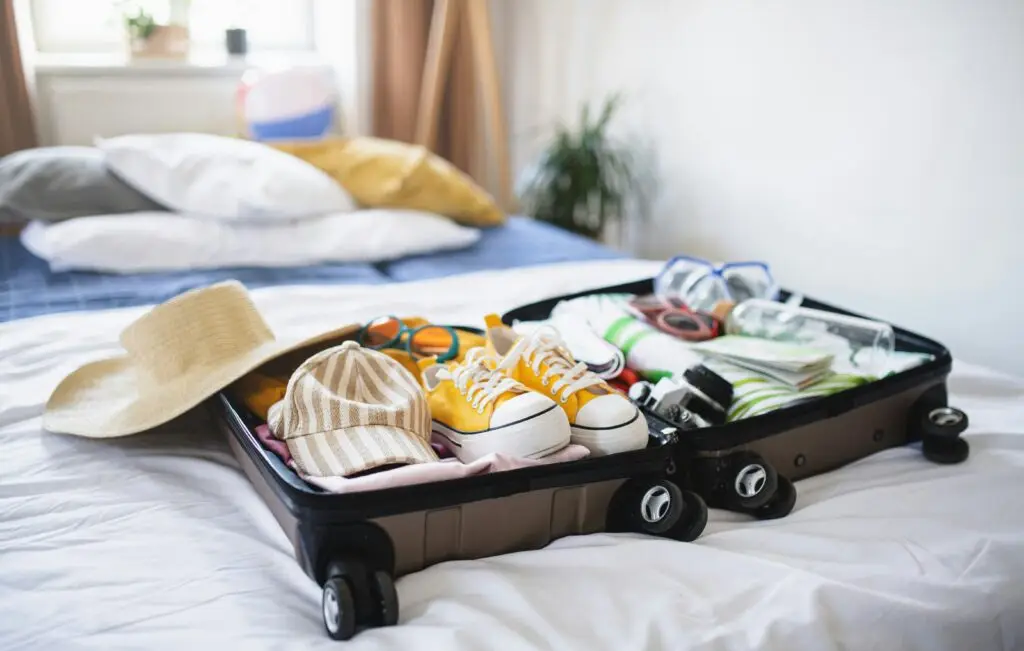
Three pairs of shoes maximum. Leave room — you will bring things home.
The Complete Packing List at a Glance
Bags
[ ] 40-45L travel backpack
[ ] BAGAIL compression packing cubes (set of 6)
[ ] Packable daypack
[ ] Checked suitcase (year-long moves only)
Clothing
[ ] 3-4 professional bottoms
[ ] 4-5 professional tops
[ ] 1-2 blazers or cardigans
[ ] 3-4 casual tops
[ ] 2 casual bottoms
[ ] 1 packable jacket
[ ] 1 serious warm layer (even if you arrive in summer)
[ ] Professional shoes — comfortable, invest here
[ ] Walking shoes
[ ] Sandals
[ ] 7-10 days of undergarments and socks
[ ] Sleepwear or leggings
Tech
[ ] Universal travel adapter
[ ] Laptop OR iPad with Bluetooth keyboard
[ ] Noise-canceling headphones
[ ] Charmast portable charger with built-in cables
[ ] Apple AirTag (for checked bag)
[ ] Phone and charger
[ ] Kindle (optional but recommended)
Travel
[ ] Cabeau Evolution S3 neck pillow
[ ] Physix Gear compression socks
[ ] Microfiber travel towel
[ ] Reusable water bottle
Health
[ ] Prescriptions (3-month supply)
[ ] OTC medications
[ ] Toiletries (2-week supply)
Documents (carry-on only)
[ ] Passport
[ ] Visa documentation
[ ] Teaching contract
[ ] Health insurance proof
[ ] Emergency contacts (printed)
[ ] Credit and debit cards (2 minimum)
[ ] Local currency for arrival

The long haul flight is just the beginning. Make sure you have everything you need before you board.
FAQs: What to Pack to Teach Abroad
Q: Can I carry on only for teaching abroad?
A: Yes — and many experienced teachers recommend it, especially for European placements where budget airlines charge for checked bags. A 40-45L travel backpack fits most carry-on requirements and is easier to manage through airports and cobblestone streets. The key is using compression packing cubes to maximize space.
Q: How many clothes should I pack for a year abroad?
A: Aim for seven to ten days’ worth of clothing and plan to do laundry weekly. A capsule wardrobe of neutral, mix-and-match pieces works best. The most important thing is to pack for all four seasons — even if you arrive in summer. Most teachers abroad have access to laundry facilities or local laundromats.
Q: What tech do I absolutely need to teach abroad?
A: Three items are non-negotiable — a universal travel adapter, a portable charger for long city days, and an Apple AirTag if you have a checked bag. A laptop or iPad with a keyboard is essential for lesson planning and staying connected. Noise-canceling headphones are optional but consistently ranked among teachers’ most-used items abroad.
Q: Should I bring teaching supplies from the US?
A: Ask your program coordinator first — most schools provide curriculum materials. A personal stash of dry-erase markers, small prizes or stickers for younger learners, and a few activity books is enough. Avoid heavy textbooks and printed materials. Everything else can be sourced locally.
Q: What do most teachers forget when packing to teach abroad?
A: Three things consistently: a warm layer for winter (even when arriving in summer), an Apple AirTag for their luggage, and enough prescription medication to last several months. The AirTag and the medications are the ones that cause the most problems when forgotten.
The Bottom Line
Packing to teach abroad comes down to one principle: pack for the life you are about to live, not the vacation you imagine.
That means all four seasons, a carry-on strategy that works for European budget airlines, and the specific items that make a long-haul flight and a year of daily teaching actually comfortable.
The checklist above covers everything. The rest is logistics.
If you are still working through the bigger picture — paperwork, finances, leave of absence, your first weeks abroad — the free Teach Abroad Starter Checklist walks you through 38 steps to get fully prepared.
grab the free Teach Abroad Starter Checklist
get the Ultimate Teach Abroad Toolkit
Disclosure: This post contains affiliate links. If you purchase through my links, I earn a small commission at no additional cost to you. This helps me keep creating free resources for teachers pursuing teaching abroad. Thank you for your support!